

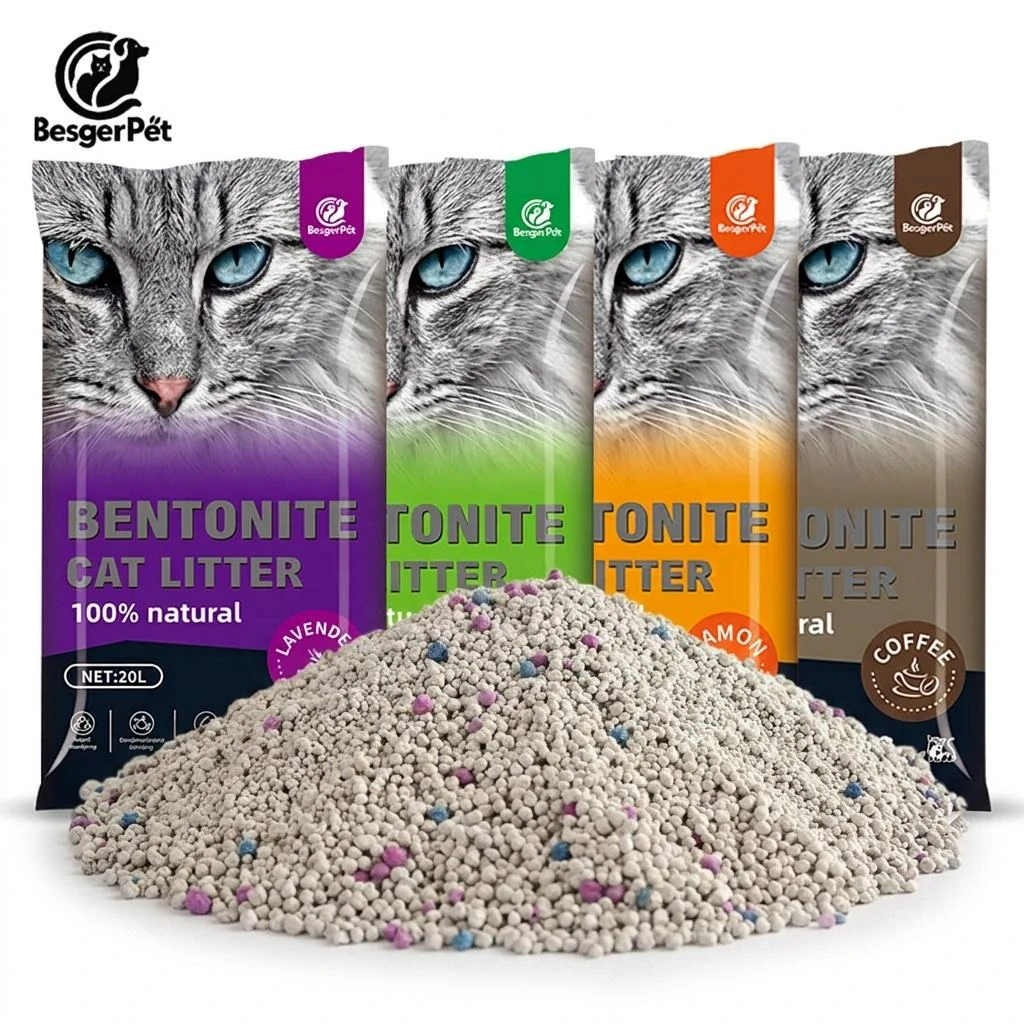
With the rapid growth of the global pet industry, more and more pet brands, wholesalers, and e-commerce sellers are looking for ways to launch their own branded cat litter products. Compared with selling standard products, custom cat litter (OEM/ODM & private label cat litter) allows businesses to create unique products, strengthen brand identity, and meet the different needs of cat owners worldwide.
So, how can you customize a cat litter product that stands out in the market? This guide explains the complete process, from product positioning and material selection to formula development, packaging design, and mass production.
1. Define Your Cat Litter Product Positioning
Before starting a custom cat litter project, it is important to define your target market and product positioning.
Different markets have different requirements:
Premium Pet Market
Focuses on:
- Natural ingredients
- Safety
- Eco-friendly features
- Premium packaging design
- Better user experience
E-commerce Market
Focuses on:
- Strong absorption
- Odor control
- Low dust performance
- Customer reviews
- Shipping efficiency
Wholesale & Distribution Market
Focuses on:
- Competitive pricing
- Stable supply
- Large production capacity
- Consistent quality
Eco-conscious Market
Focuses on:
- Biodegradable materials
- Renewable resources
- Sustainable production
A clear product positioning helps create a cat litter product that matches your customers’ expectations.
2. Choose the Right Cat Litter Type
There are several popular types of cat litter available for customization.
Bentonite Cat Litter
Bentonite cat litter is one of the most widely used cat litter products worldwide.
Key advantages:
- Fast absorption
- Excellent clumping ability
- Cost-effective
- Suitable for mass-market sales
Customization options:
- Particle size
- Color
- Scent
- Dust control level
- Odor control formula
Tofu Cat Litter
Tofu cat litter has become increasingly popular due to its natural and environmentally friendly features.
Key advantages:
- Plant-based ingredients
- Biodegradable
- Flushable options
- Natural odor control
Customization options:
- Tofu material ratio
- Mixed formulas
- Different scents
- Packaging sizes
Crystal Cat Litter
Crystal cat litter is mainly made from silica gel.
Key advantages:
- High absorption capacity
- Long-lasting performance
- Clean appearance
- Low maintenance
It is especially suitable for premium pet brands.
Wood Cat Litter
Wood cat litter is made from natural wood materials.
Key advantages:
- Eco-friendly
- Natural wood fragrance
- Sustainable material source
Corn & Cassava Cat Litter
Plant-based cat litter is becoming a growing trend in markets such as North America and Europe.
Benefits:
- Renewable resources
- Biodegradable
- Environmentally friendly
- Natural consumer appeal
3. Customize Your Cat Litter Formula
Professional cat litter manufacturers can adjust formulas according to your brand requirements.
Absorption Performance
Absorption is one of the most important factors affecting customer satisfaction.
Manufacturers can optimize:
- Raw material ratio
- Particle structure
- Processing technology
Clumping Performance
High-quality clumping cat litter should form strong and easy-to-clean clumps.
Customization includes:
- Faster clumping speed
- Stronger clump strength
- Reduced sticking to the litter box
Odor Control Technology
Odor control is one of the biggest purchase factors for cat owners.
Common odor-control solutions include:
- Activated carbon
- Zeolite minerals
- Natural deodorizing agents
- Plant-based ingredients
Scent Customization
Brands can choose different fragrance options:
- Unscented
- Lavender
- Green tea
- Milk fragrance
- Fruit fragrance
The fragrance intensity can also be adjusted according to different market preferences.
4. Customize Your Cat Litter Packaging
Packaging plays an important role in brand recognition and customer purchasing decisions.
Packaging Options
Common choices include:
- PE bags
- Plastic woven bags
- Kraft paper bags
- Laminated bags
- Custom printed packaging
Packaging Sizes
Popular sizes include:
- 3L
- 5L
- 10L
- 20L
- 40L
Different sales channels may require different packaging strategies.
For example:
Online retail:
- Smaller packages
- Easier shipping
- Better customer handling experience
Wholesale distribution:
- Larger packages
- Lower unit cost
- Higher efficiency
Private Label Branding
OEM manufacturers can support:
- Logo printing
- Custom artwork
- Packaging design
- Product labels
- Barcode printing
Helping you build a complete private label cat litter brand.
5. Custom Cat Litter OEM Production Process
A professional OEM process usually includes the following steps:
Step 1: Product Requirement Discussion
Confirm:
- Cat litter type
- Target market
- Formula requirements
- Packaging design
- Target price
Step 2: Sample Development
The manufacturer provides samples for testing:
- Absorption performance
- Clumping ability
- Odor control
- Dust level
- Appearance
The formula can be adjusted based on your feedback.
Step 3: Packaging Confirmation
Finalize:
- Packaging design
- Printing files
- Product information
- Label requirements
Step 4: Mass Production
The production process includes:
- Raw material inspection
- Mixing and processing
- Quality control
- Packaging
- Final inspection
Step 5: Delivery & Export Support
Experienced suppliers can provide:
- International shipping support
- Export documentation
- Container loading
- After-sales service
6. How to Choose a Reliable Cat Litter Manufacturer?
Choosing the right OEM supplier is essential for long-term business success.
Production Capability
Check:
- Factory size
- Production equipment
- Monthly capacity
- Quality management system
Product Quality
Evaluate:
- Raw material sources
- Testing standards
- Sample performance
- Production consistency
Customization Ability
A professional cat litter manufacturer should provide:
✔ Formula development
✔ Packaging customization
✔ Multiple product categories
✔ Stable production capacity
✔ OEM and ODM services
Export Experience
For international markets, suppliers should have experience with:
- Global shipping
- Export documentation
- International customer requirements
7. Benefits of Creating Your Own Custom Cat Litter Brand
Custom cat litter provides many advantages:
✔ Build your own brand identity
✔ Create unique market positioning
✔ Increase profit margins
✔ Develop products based on customer needs
✔ Establish long-term supply partnerships
Whether you are a pet brand owner, distributor, or online retailer, working with an experienced OEM cat litter manufacturer can help you quickly launch competitive products.
Conclusion
Customizing cat litter is more than simply changing the packaging. It involves creating a product that meets market demands through careful selection of materials, formula development, performance testing, and professional manufacturing.
By partnering with an experienced cat litter OEM manufacturer, you can reduce development costs, improve product competitiveness, and successfully enter the global pet care market.
Start creating your own private label cat litter brand today and build a stronger position in the growing pet industry.